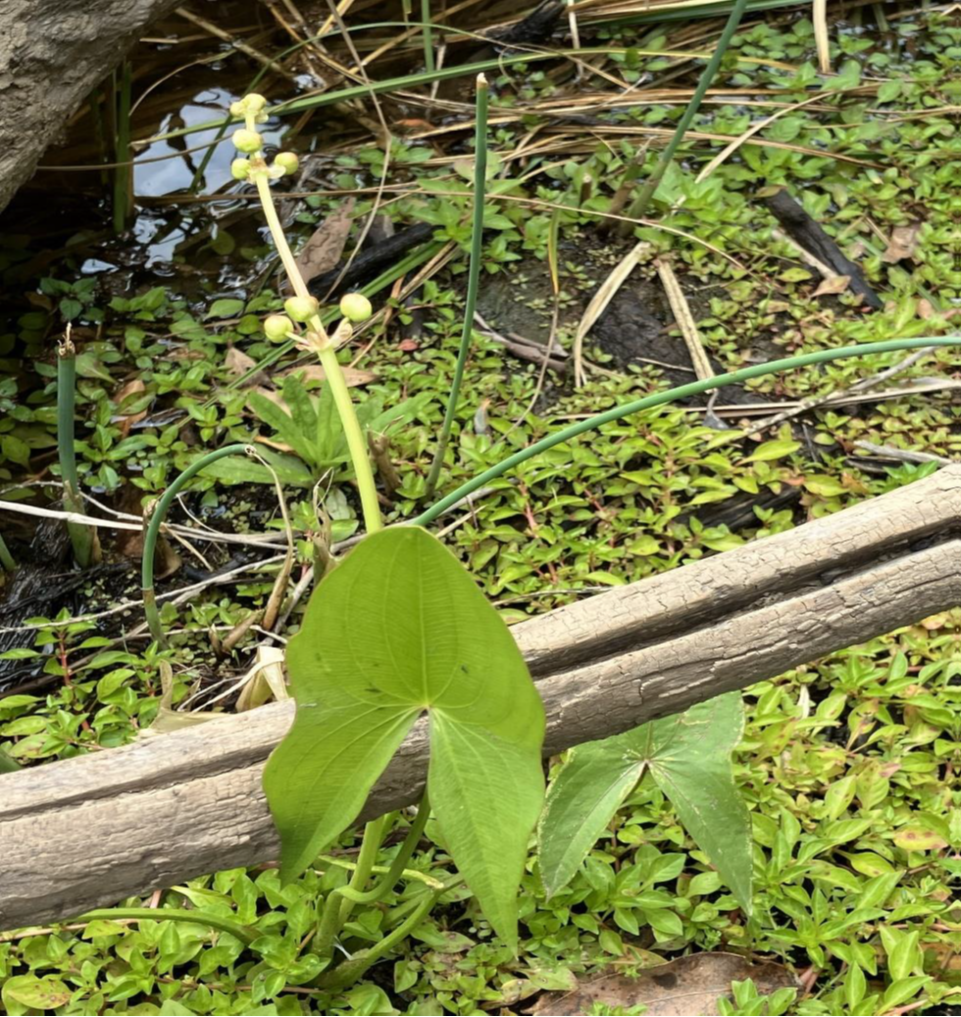
In 2023, arrowhead sagittaria (Sagittaria calycina var. calycina) was detected in the Murrumbidgee River, marking the first recorded infestation within the upper Murrumbidgee catchment and the first known occurrence within the South East Local Land Services region.
This aquatic weed poses a significant threat to river health. Arrowhead sagittaria can form dense infestations within waterways and along riverbanks, where it can rapidly dominate an area. These infestations reduce water flows, outcompete native vegetation, restrict the movement of fish and other aquatic animals and diminish available habitat and food resources. The plant also traps sediment, gradually filling channel beds and reducing the capacity and efficiency of waterways and irrigation infrastructure.
A rapid response
Recognising the importance of early intervention, the program launched a rapid response project during 2024–25 to contain the initial infestations and undertake extensive surveillance throughout the upper Murrumbidgee River. Following the success of this initial work, additional funding was secured to continue surveillance and weed control activities in 2025–26.
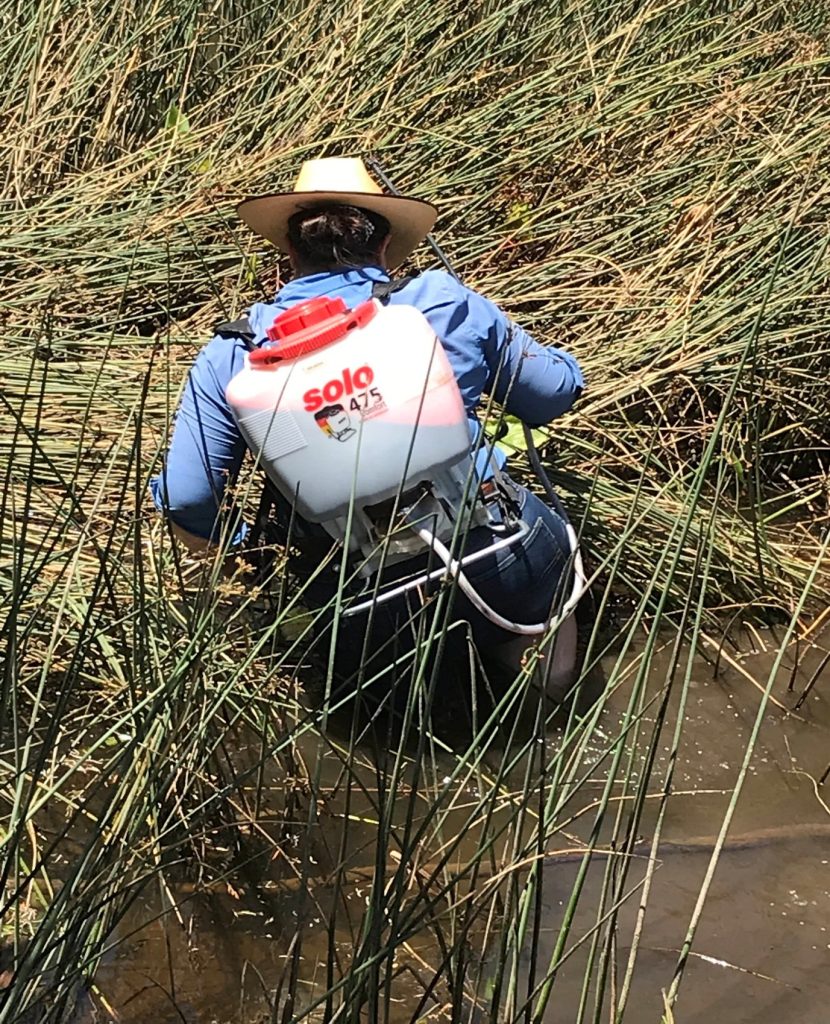
The program engaged Snowy Monaro Regional Council to deliver surveillance and treatment activities across the affected section of the river. A comprehensive monitoring program was implemented, combining extensive on-ground inspections with drone-based surveillance to identify infestations in difficult to access locations and improve coverage along the river corridor.
Finding and treating the infestations
Through these surveillance efforts, infestations were identified and mapped along approximately 8 kilometres of the Murrumbidgee River upstream. All known sites were visited multiple times throughout the 2024–25 growing season and treated repeatedly to prevent flowering, seed production and further spread.
During 2025–26, all previously known infestation sites were revisited and inspected, with any detected plants treated immediately. The results have been highly encouraging. More than 50 per cent of the sites treated during the previous season showed no visible signs of arrowhead sagittaria, demonstrating the effectiveness of the control program and sequential follow-up works.
Why it matters
The project highlights the importance of rapid detection, early intervention and ongoing surveillance in managing emerging weed threats. Continued collaboration between South East Local Land Services and Snowy Monaro Regional Council has significantly reduced the risk of arrowhead sagittaria establishing throughout the upper Murrumbidgee catchment, protecting waterway health, aquatic habitat and downstream water resources for the future.
Image credits: Scott Gardiner, Snowy Monaro Regional Council