Governments, First Nations, landholders and communities, working together to improve the health of the river.
The Restoring the Upper Murrumbidgee River Program is a multi-year effort to improve the health of the upper Murrumbidgee and its catchment – the network of creeks, gullies and land that drains into the river. It brings together on-ground restoration work, research and monitoring, and stronger participation from First Nations and the wider community.
The program is funded by the Australian Government and delivered in partnership with the ACT and NSW governments, alongside partners working in local catchments areas.
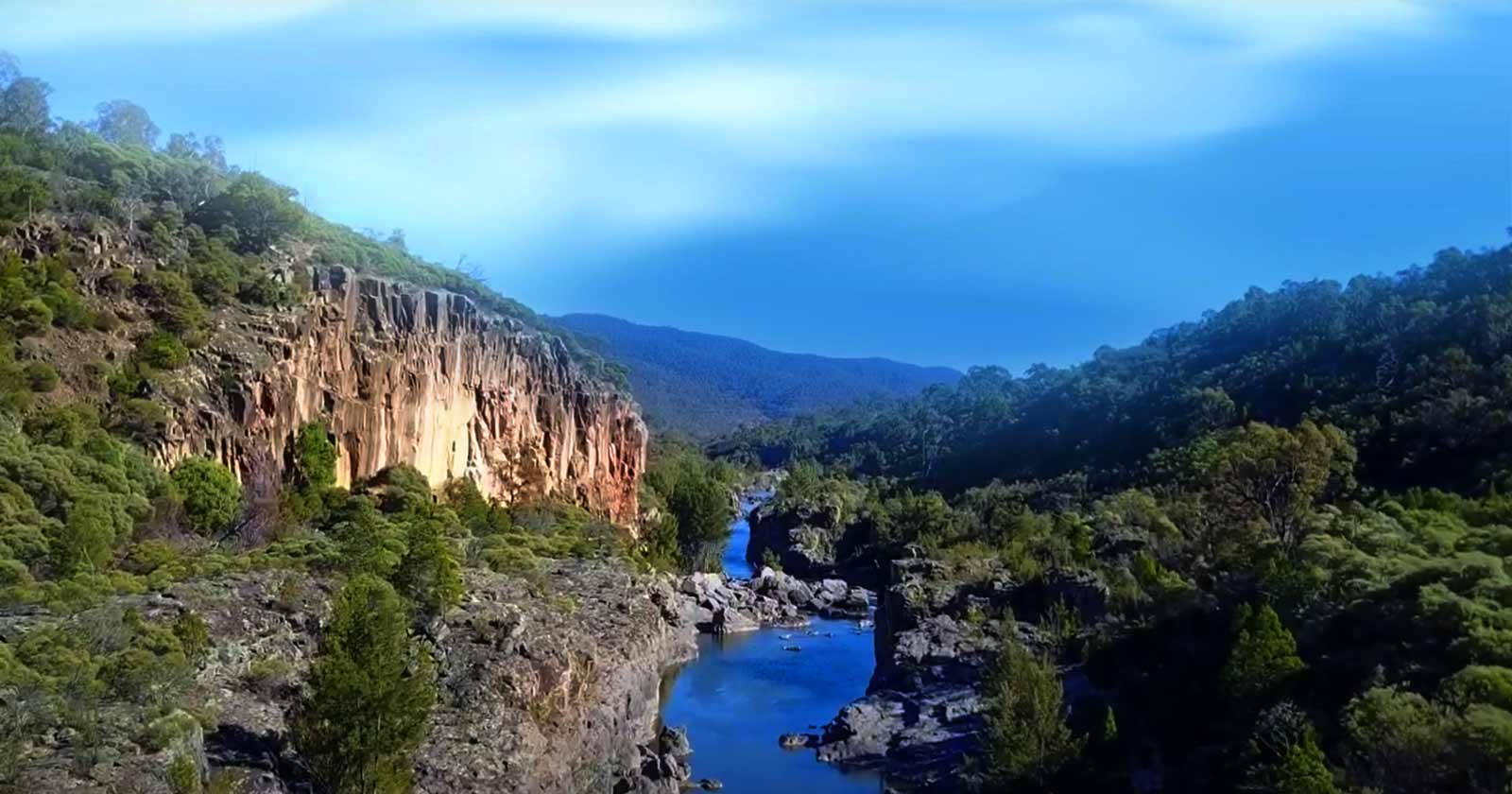
Red Rock Gorge on the Murrumbidgee River
On-ground restoration
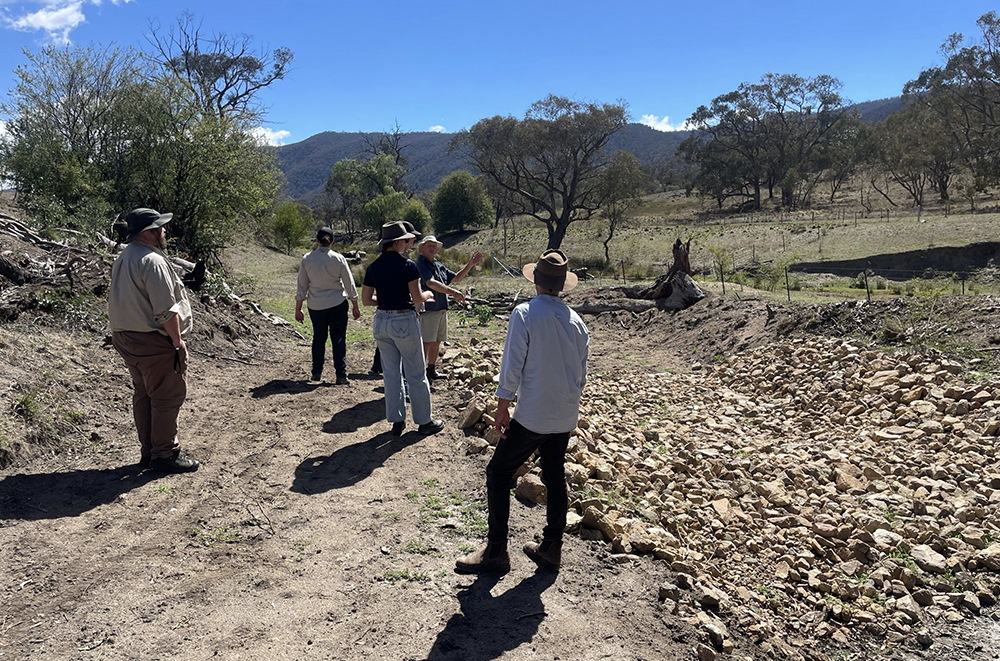
Hands-on work to repair and protect the river corridor, such as revegetation, erosion control and weed removal. Rebuilding habitat and improving the resilience of the river.
Research and monitoring
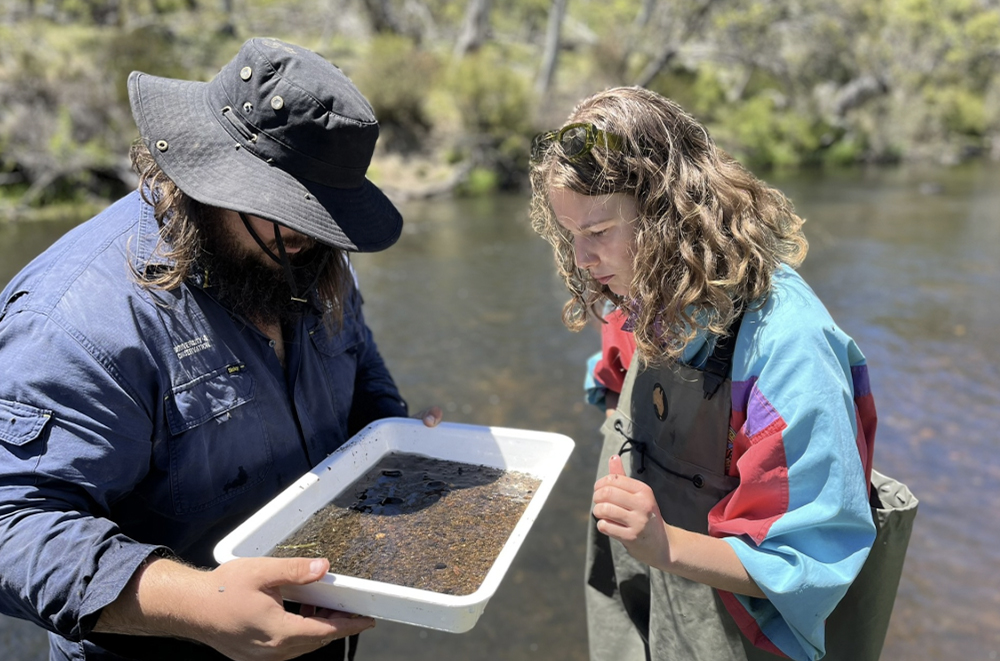
Building the evidence to better understand how much flow the river needs to maintain healthy ecological function, while monitoring the condition of the river and the effects of those flows over time. This work is at the heart of the program.
Community participation and stewardship
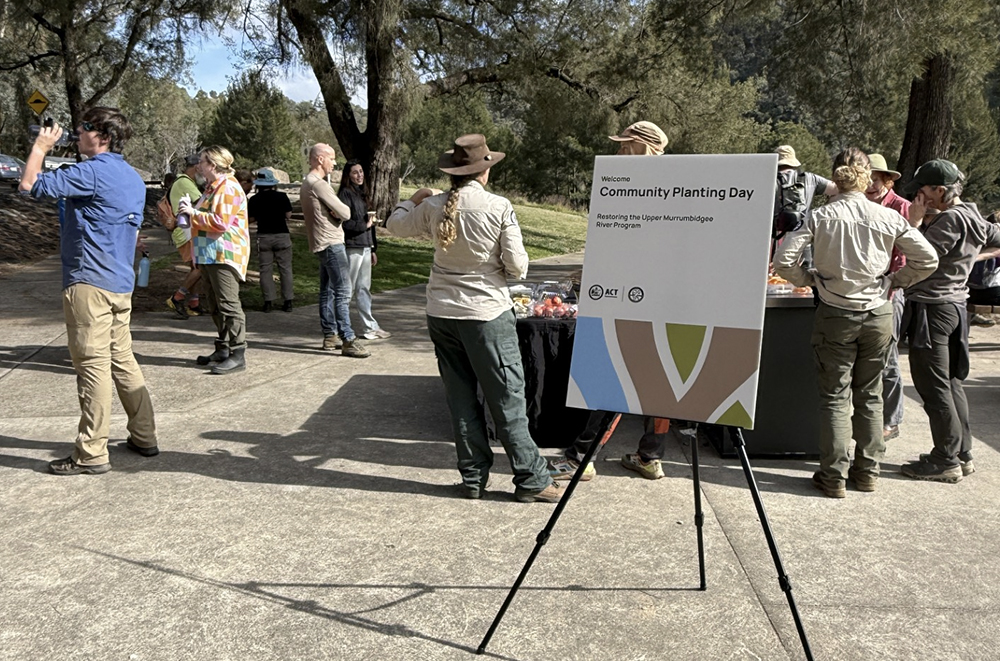
Building capacity and creating opportunities for the community to take part. From landholders and volunteers to schools and local groups, empowering more people to help care for the river and its catchment.
Together, these add up to a simple goal: a healthier upper Murrumbidgee, and a community better able to look after it for the long term.
There are many ways to take part. Your involvement makes a difference.
Events are being planned – the first ones will be listed here soon. Subscribe to be the first to hear.
Sign up for updates on the program’s progress, new projects and ways to take part.
Whether you manage land in the catchment, want to volunteer, or would just like to know more, we’d love to hear from you.
The program is delivered in partnership by:
That funds the program through the Department of Climate Change, Energy, the Environment and Water.
Through the Office of Water.
Through NSW Department of Climate Change, Energy, the Environment and Water (DCCEEW) and South East Local Land Services.